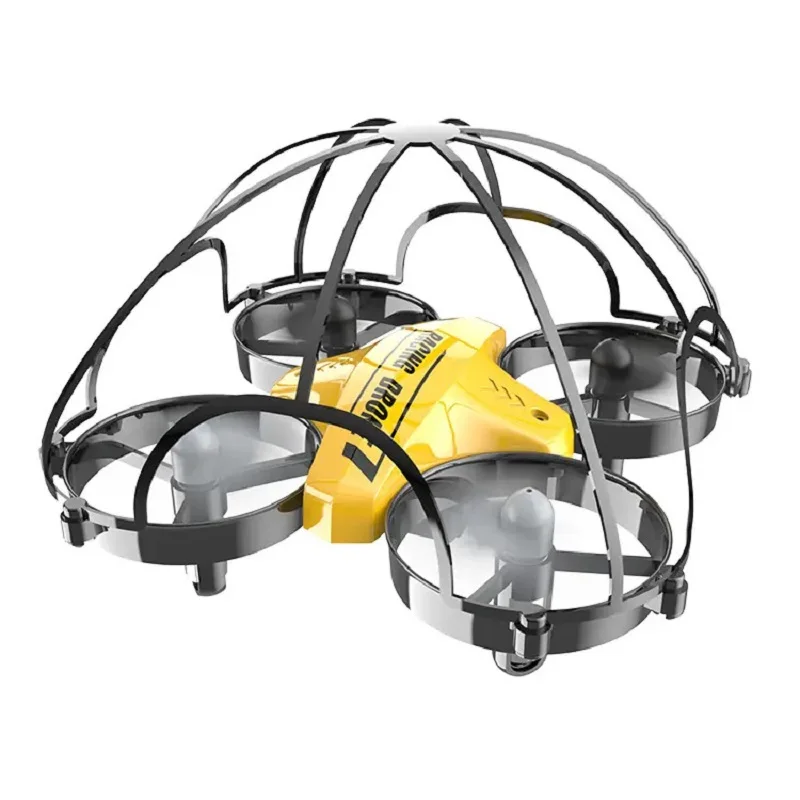
STEM Robot Kits for Bilingual Kids and Makers
Give your kids a third language: code. These STEM robot kits teach programming, engineering, and problem-solving through hands-on projects. Block coding for beginners, Python for advanced makers — all with bilingual support.
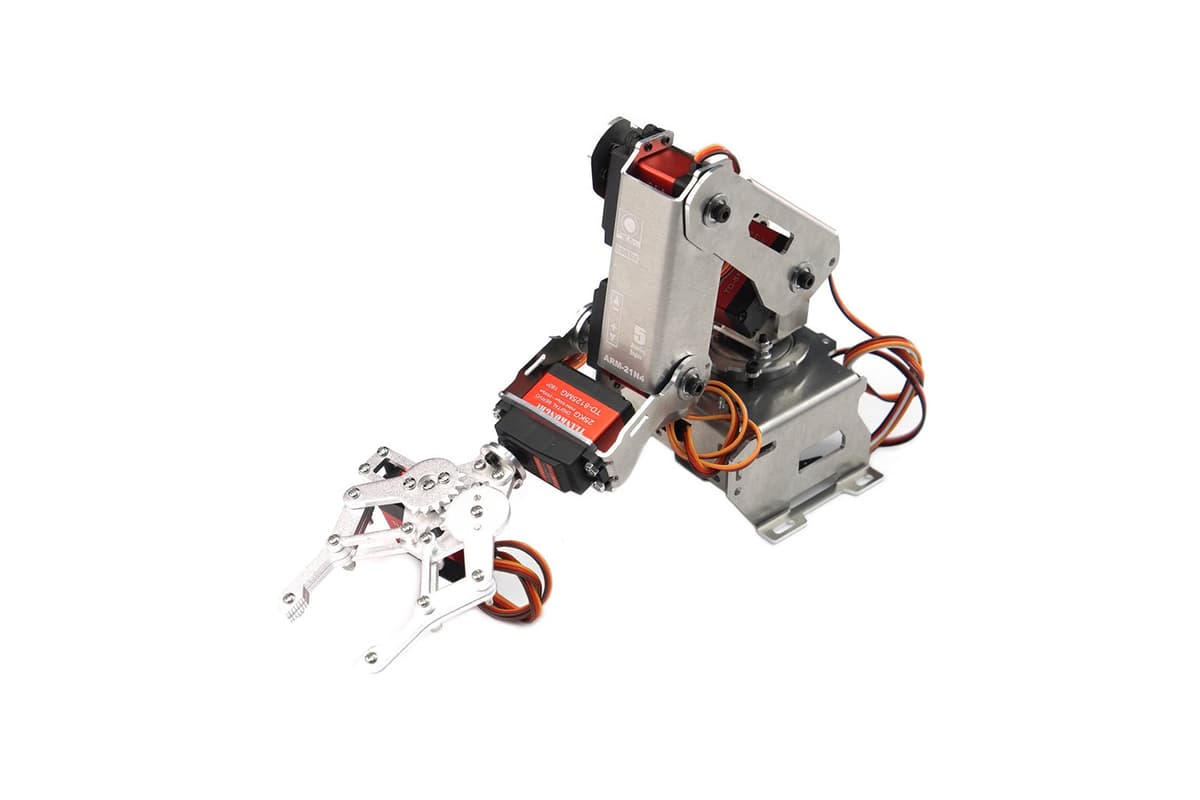
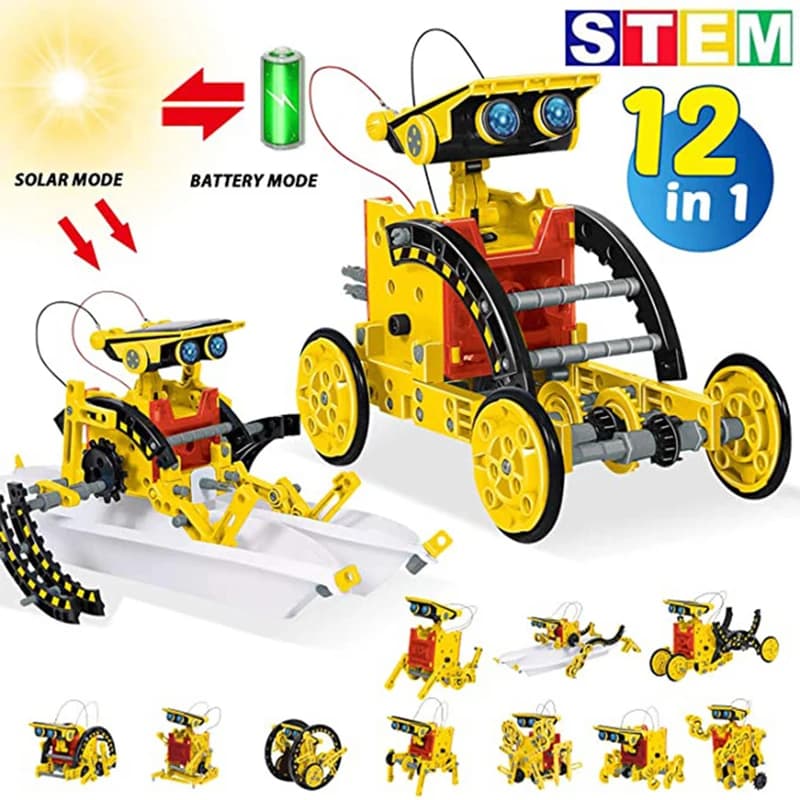
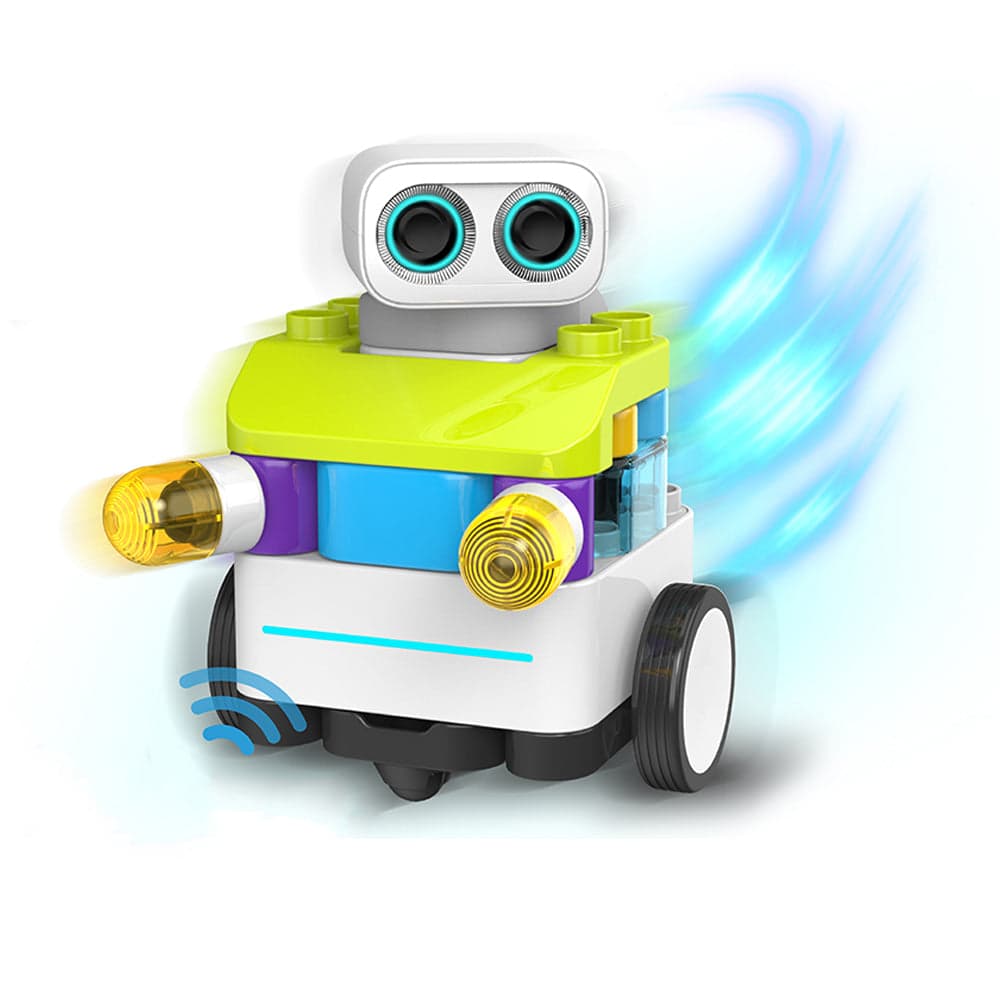
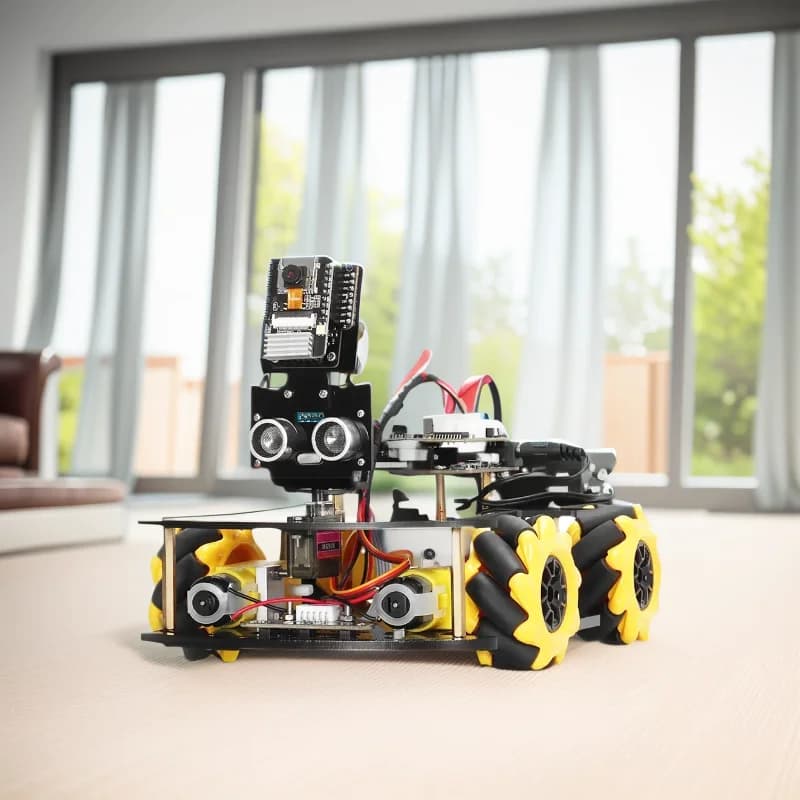
How to Choose a STEM Robot Kit
Age and Skill Level
Ages 6-8 start with block coding (drag-and-drop). Ages 9-12 transition to simplified Python or Scratch. Ages 13+ can handle full Python and Arduino-based projects. Match the kit to where your child is, not where you want them to be.
Bilingual Learning Materials
60M Hispanic Americans speak both English and Spanish at home. Kits with bilingual instruction manuals and app interfaces let kids learn coding concepts in both languages simultaneously.
Expandability
The best kits grow with your child. Look for modular designs with add-on sensor packs, motor upgrades, and community project libraries. A $50 starter kit that expands to $200 over 2 years beats a $200 kit your child outgrows in 6 months.
Frequently Asked Questions
Quick answers to common questions about this topic.
Most kits serve ages 6-16. Block coding kits suit ages 6-8. Intermediate kits with Scratch or simplified Python work for ages 9-12. Advanced Arduino and Python kits challenge teenagers and adult makers.
Select kits include bilingual manuals and app interfaces in English and Spanish. Check the product description for language support. We prioritize stocking bilingual options for our Hispanic-American customers.
Beginners start with visual block coding (similar to Scratch). Intermediate kits introduce Python basics. Advanced kits teach full Python, C++, and Arduino programming through hands-on robotics projects.
Yes — robot kits align with NGSS science standards and teach computational thinking. Homeschool families get structured curriculum guides with most kits. One kit covers 20-40 hours of STEM instruction.