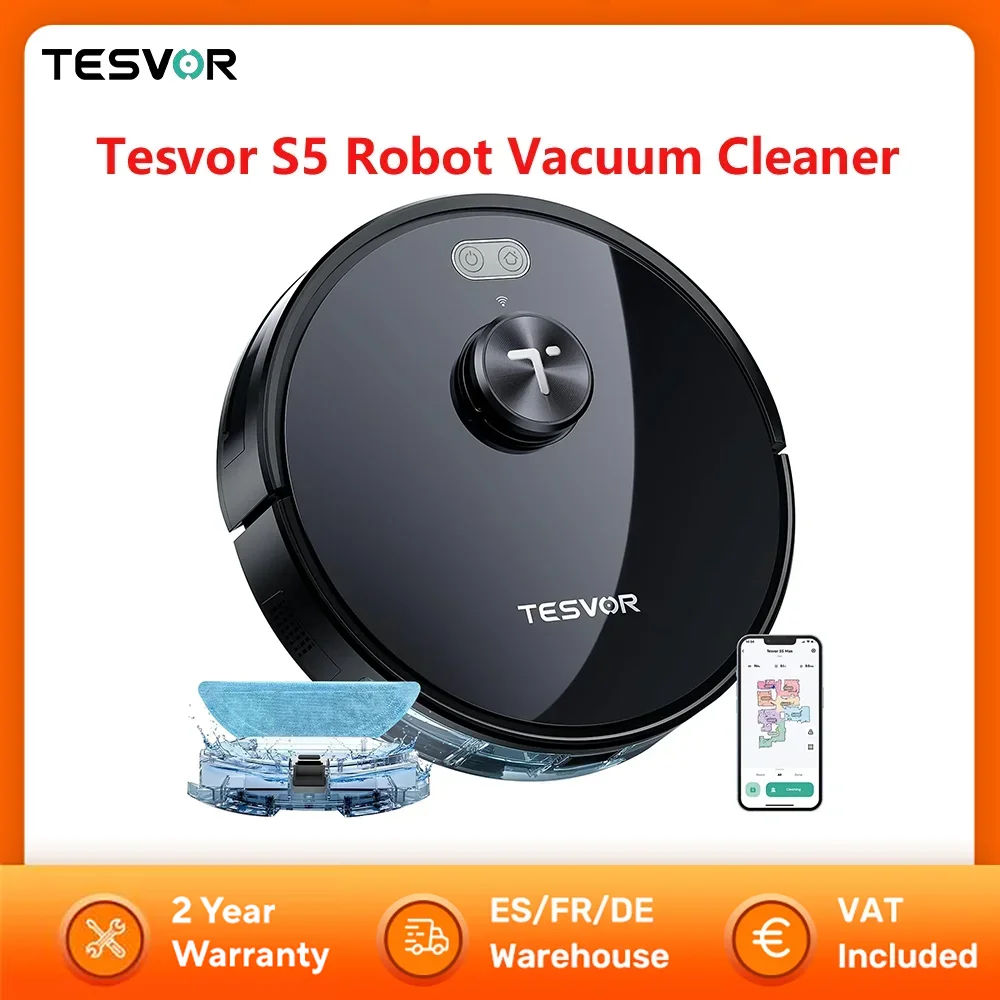
Smart Home Robots for Humid Tropical Environments
Tropical homes collect sand, dust, and humidity 365 days a year. Open windows invite insects, trade winds carry salt air, and tile floors show every grain. These home robots vacuum, mop, and maintain your space automatically.
How to Choose a Home Robot for Tropical Living
Floor Type Compatibility
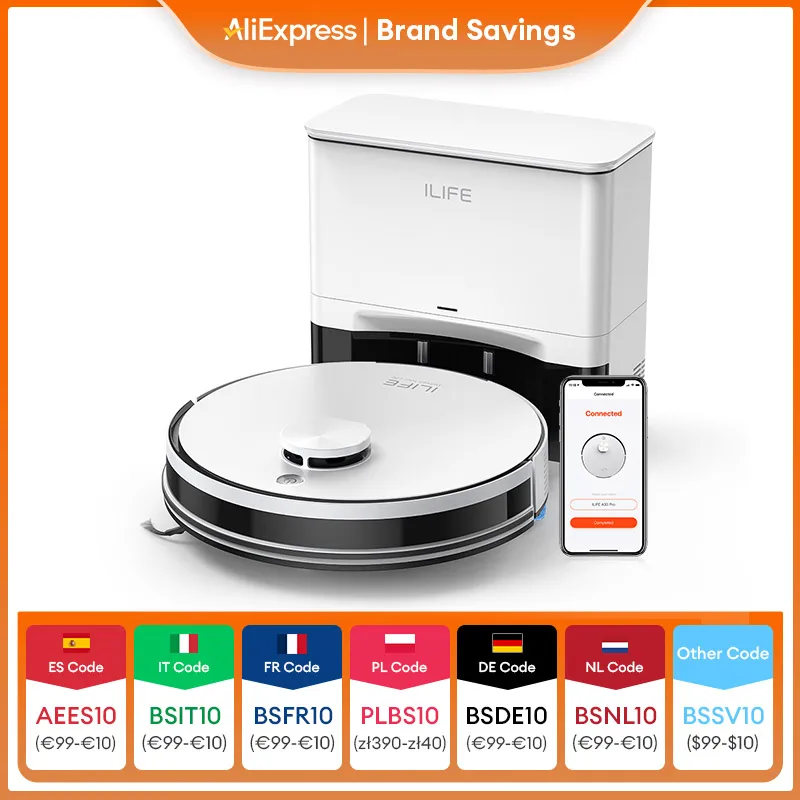
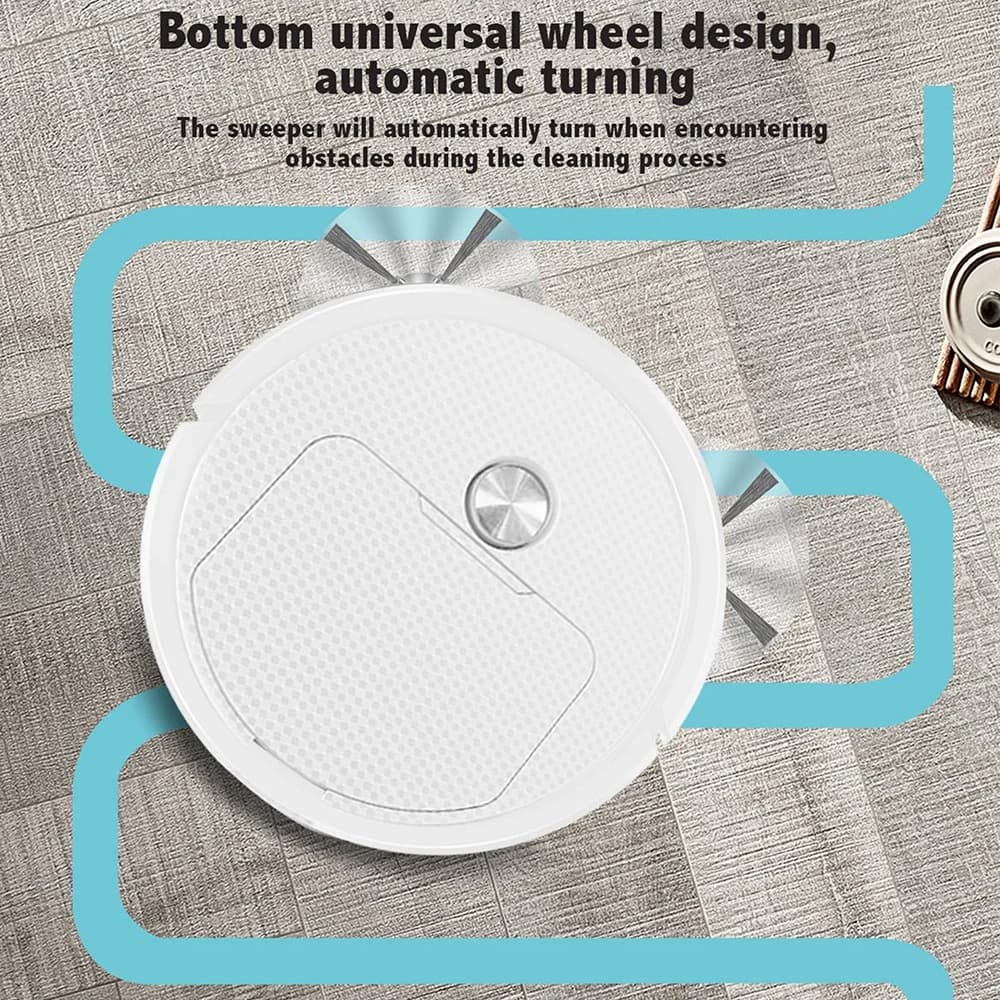
Tropical homes typically feature tile, polished concrete, or hardwood — all hard surfaces that benefit from combo vacuum-mop robots. Skip carpet-focused models. Choose one with adjustable suction and a mopping pad for tile grout.
Humidity and Salt Air
Salt air corrodes electronics faster. Look for sealed motor compartments and stainless steel components. Empty dustbins daily in humid climates to prevent mold growth inside the robot.
Airbnb and Rental Turnover
If you manage vacation rentals, choose a WiFi-connected robot with scheduling and remote start. Run a full clean cycle between guests without being on-site. Some models integrate with smart home systems for automated turnover routines.
Frequently Asked Questions
Quick answers to common questions about this topic.
Robot vacuums excel on tile — smooth surfaces let them cover ground efficiently. Choose a model with a mopping attachment to tackle tile grout and the fine sand that accumulates in tropical homes.
Modern robots seal their motors against moisture. Empty the dustbin daily in humid climates to prevent mold. Avoid leaving the robot docked in non-air-conditioned spaces for extended periods.
Yes — WiFi models with remote scheduling let you start a cleaning cycle from your phone between guests. Pair with a robot mop for a full turnover clean without visiting the property.
Daily runs work best. Tropical homes with open windows accumulate dust and debris faster than sealed homes. Schedule runs for mid-morning after you've opened windows for the day.