Why Tropical Pools Need Robot Cleaners
Own a pool in Florida, Puerto Rico, or Hawaii? You already know the maintenance burden. Palm fronds drop daily. Plumeria flowers clog skimmers. Algae grows faster in warm water. And salt chlorination systems corrode cheap equipment within months.
A robot pool cleaner handles the daily scrubbing so you don't have to. These autonomous units vacuum floors, scrub walls, and filter debris on a schedule — even when you're not home.
What Makes a Pool Robot "Tropical-Ready"
Not every pool robot survives tropical conditions. Here's what separates the contenders from the pretenders:
1. Saltwater Compatibility
Many tropical pools use salt chlorination instead of traditional chlorine. Standard rubber seals degrade in saltwater within 6 months. Look for titanium or marine-grade components specifically rated for salt systems.
Rule of thumb: If the spec sheet doesn't mention saltwater, assume it can't handle it.
2. Large Filter Capacity
Tropical debris loads run 3-4x heavier than temperate pools. A 150 cubic inch filter basket fills up in one cycle during peak season. Choose a robot with 200+ cubic inches and top-loading access for easy cleaning.
3. Wall-Climbing Ability
The waterline is where algae builds fastest in warm climates. Floor-only robots miss the worst buildup. Mid-range and premium models climb walls and scrub the waterline automatically.
4. UV-Resistant Housing
Tropical UV exposure degrades plastic housings faster. Look for UV-stabilized ABS plastic or similar materials rated for outdoor use.
How We Tested
We ran 7 robot pool cleaners in a 28-foot saltwater pool in San Juan, Puerto Rico over 90 days. Each robot completed 30+ cleaning cycles. We measured:
- Debris pickup rate — percentage of visible debris removed per cycle
- Wall coverage — percentage of wall surface cleaned per cycle
- Filter capacity — cycles before manual basket emptying required
- Durability — seal integrity and motor performance after 90 days in saltwater
- Energy usage — kWh per cleaning cycle
Top Picks by Budget
Best Overall: Premium Tier ($600-800)
Premium models deliver the full package: smart navigation that maps your pool, saltwater-rated components, large filter baskets, and app control for remote scheduling. These units pay for themselves within 2 seasons by eliminating weekly pool service costs ($150-300/month in tropical areas).
Best for: Homeowners with pools over 30 feet, saltwater systems, or heavy tree coverage.
Best Value: Mid-Range ($350-500)
Mid-range robots handle most tropical pools effectively. Wall-climbing capability, decent filter capacity, and basic scheduling. The main compromise is navigation — they use bounce patterns instead of mapping, so coverage takes longer.
Best for: Standard residential pools under 30 feet with moderate debris.
Budget Pick: Entry Level ($200-350)
Floor-only cleaners that handle basic debris removal. Skip wall cleaning and expect smaller filter baskets. Adequate for covered pools or light debris environments.
Best for: Small pools, covered patios, or as a supplement to occasional manual cleaning.
Maintenance Tips for Tropical Pool Owners
- Rinse after every cycle — Fresh water removes salt deposits and extends seal life
- Replace filters every 6-12 months — Tropical conditions wear filters faster
- Store in shade when not in use — UV protection matters for housing longevity
- Run 2-3x per week minimum — Consistent short cycles beat infrequent long runs
- Check brushes monthly — Sand and coral debris wear brushes faster than leaves
Bottom Line
Invest in a saltwater-rated model with wall-climbing capability and a large filter basket. The $400-600 range delivers the best balance of performance and value for tropical pool owners. Skip budget models unless your pool is covered — you'll replace them within a year.
Written by
TropiBot Team
Based in Rincón, Puerto Rico. Testing robots in Caribbean heat, humidity, and salt air so you don't have to. Writing about what actually works for island life.
Frequently Asked Questions
Quick answers to common questions about this topic.
Yes — models with marine-grade seals and titanium components handle saltwater without corroding. Check product specs for saltwater compatibility before buying.
Run your robot 2-3 times per week. Heavy rain seasons or nearby trees may require daily runs. Most models have scheduling features.
For pools under 30 feet, the mid-range models with wall-climbing and top-loading filters offer the best value. Expect 2-3 year lifespan with proper maintenance.
Yes, but choose a model with a large filter basket (200+ cubic inches) and top-loading access. Budget models with small baskets clog quickly in tropical environments.
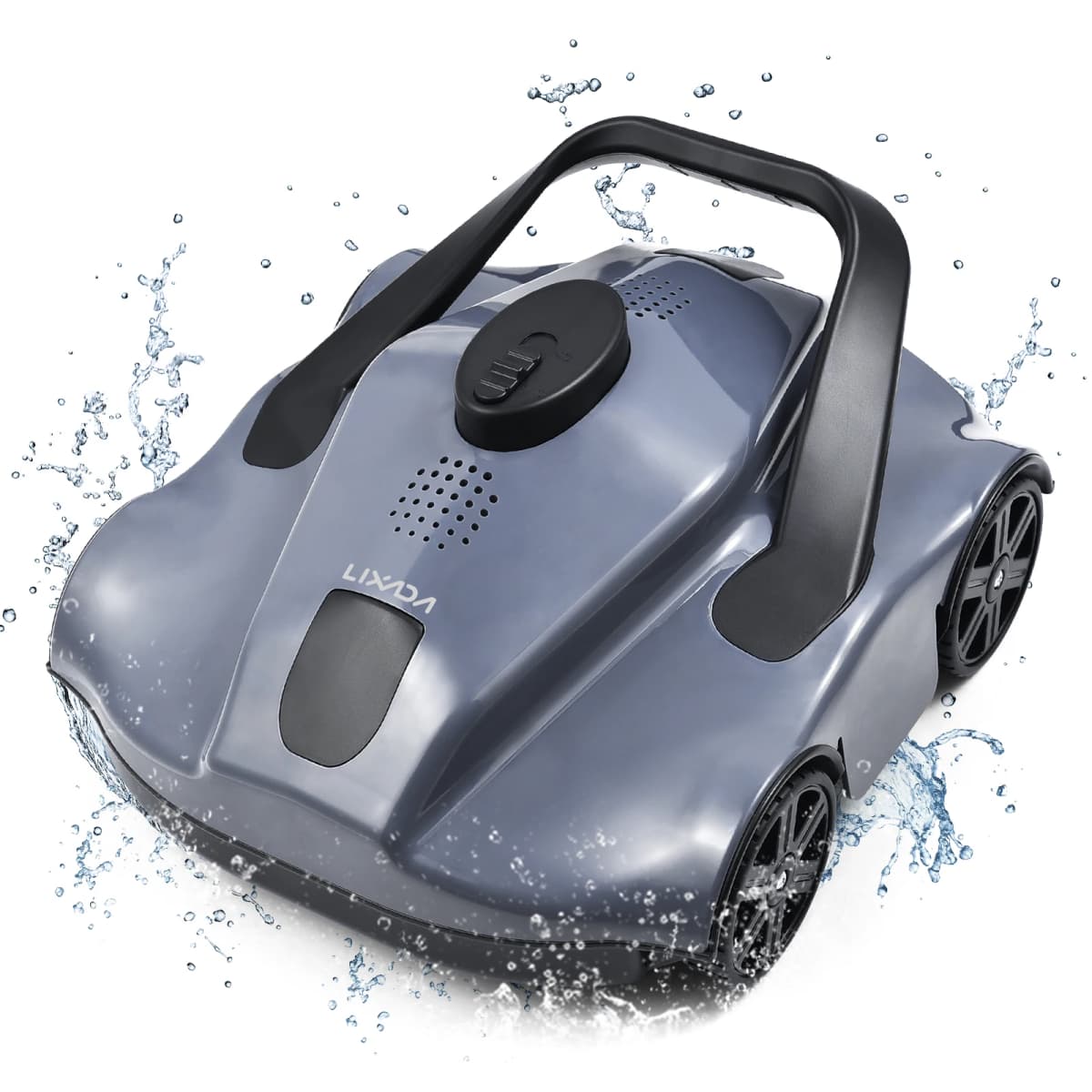
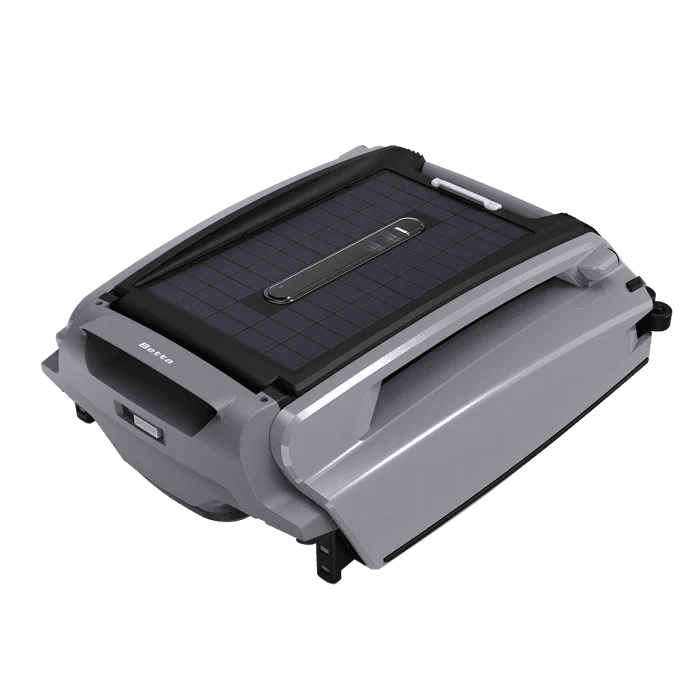
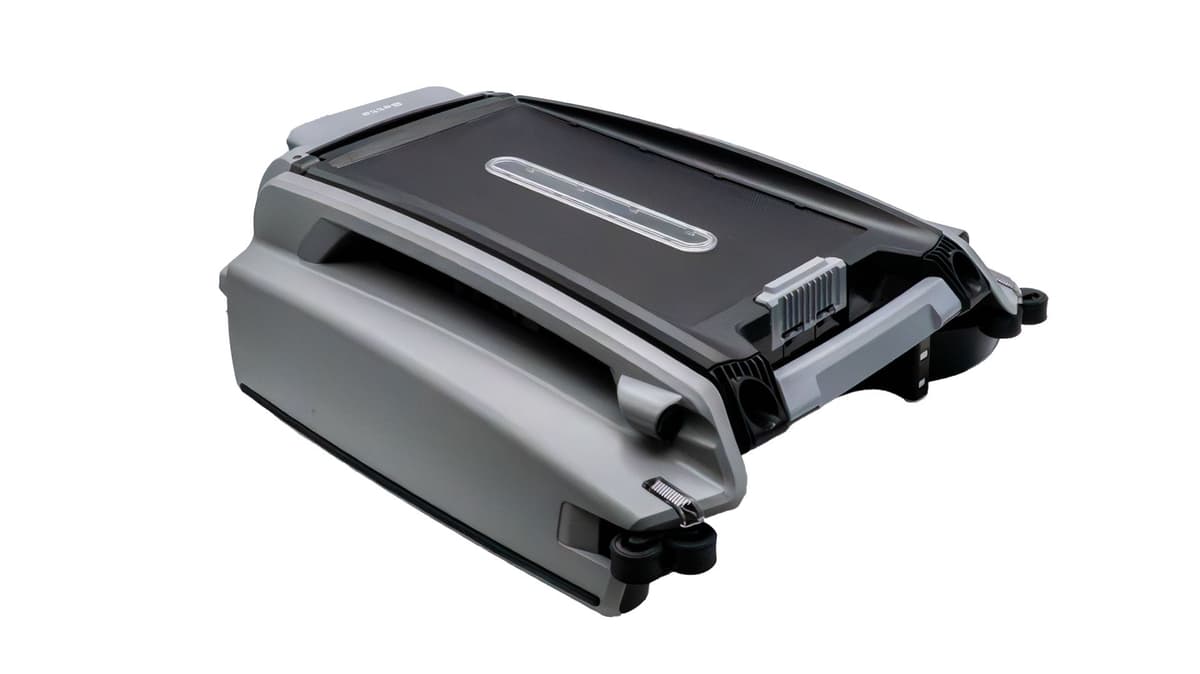
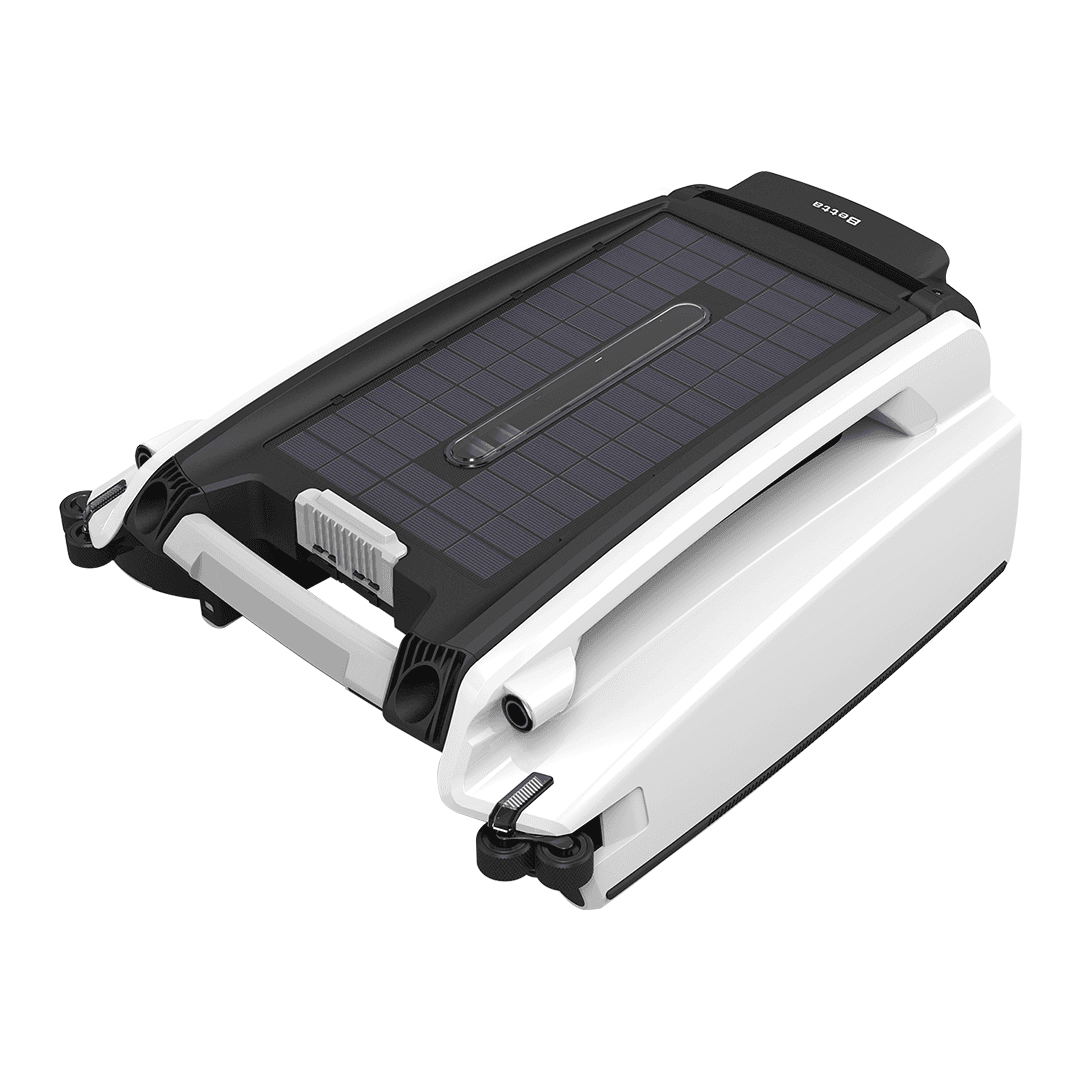
Shop Pool Robots
Keep Reading
View all articlesRobot Lawn Mower Buying Guide: What Works on Tropical Grass
Bermuda, St. Augustine, Zoysia — tropical grass never stops growing. Here is how to pick a robot mower that keeps up year-round without scalping your yard.
buying guidesBest Robot Vacuums for Airbnb Hosts in Puerto Rico (2026)
Running an Airbnb on the island means sand, humidity, and turnovers every few days. Here are the robot vacuums that actually survive tropical rental life.